
Are YouA Brand Owner?
Turn a device platform into a consistent brand experience—from housing color to the retail box.
Explore Your SolutionFrom technology platform to brand presentation—one coordinated OEM / ODM project.
Assessment topics, not verified certifications or approvals. Exact scope and supporting documents must be confirmed by model, intended use and destination market.
Flexible LED masks. Multi-mode RF/EMS handhelds. Spray and automatic-dispensing formats. Dedicated eye massage and mist systems. Select the model that fits your business, then align its specifications, appearance and packaging.
Core Product Models
Technology Categories
LED Mask Form Factors
Dedicated Eye-Care Models

Plan the device appearance, logo and packaging as one brand experience. Share your chosen model—or an entirely new concept—along with your target dimensions and visual direction.
Eligibility and deliverables are confirmed after review. Tooling, functional engineering and testing are separate scopes.
Four technology platforms. One coordinated approach to private label design, branding and market-ready planning.
Turn a device platform into a consistent brand experience—from housing color to the retail box.
Explore Your Solution
Build a technology-led range with clear model specifications, carton information and market requirements.
Explore Your Solution
Compare formats and intended-use requirements around your customer experience and business model.
Explore Your Solution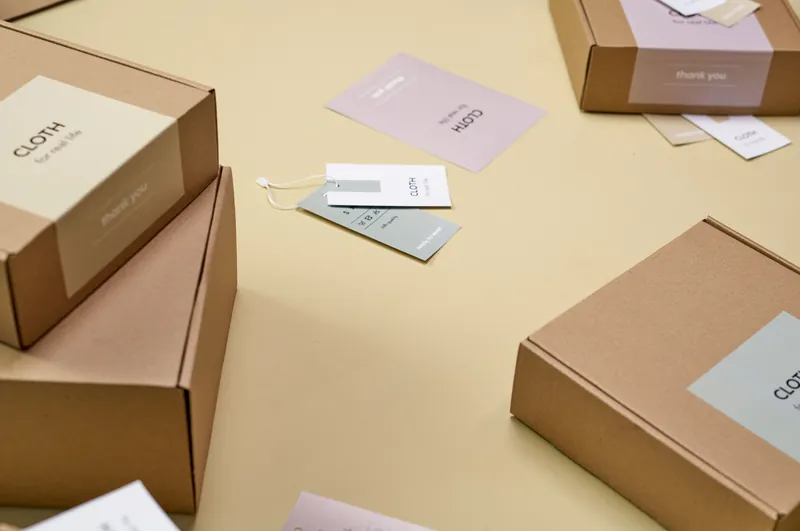
Start with the right platform. Define your identity, evaluate a sample and plan the next order.
Explore Your SolutionBrand owners, distributors, studios and innovators start from different briefs. The product specification keeps the project aligned.
Match your audience and sales channel with the right LED, handheld, infusion or eye-care format—not simply the longest feature list.
Connect power, battery, materials, mode settings and packing requirements with your branding and destination-market checklist.
Agree sample evaluation, artwork approval, order expectations and support responsibilities before committing to production.
Partnership principles and business segments; not third-party logos or customer testimonials.
Explore masks, multi-mode handhelds, dispensing formats and dedicated eye-care devices in one core range.
Coordinate the device finish, logo, accessories, labels and packaging around your brand identity.
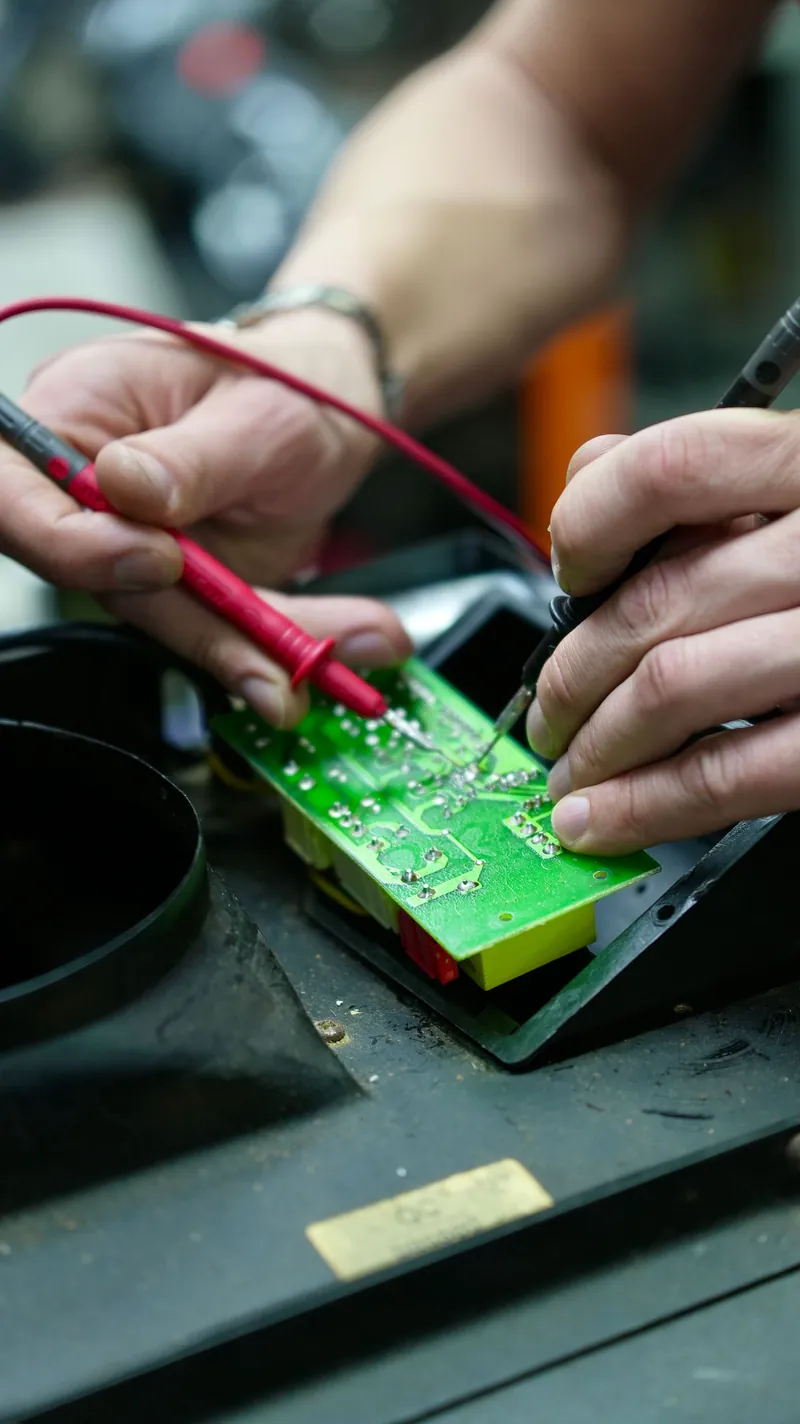
Bring the product sheet, packaging brief and target-market checklist into one project plan. Contact materials, charging interfaces, listed modes, carton configuration and required documentation should match the model you approve.
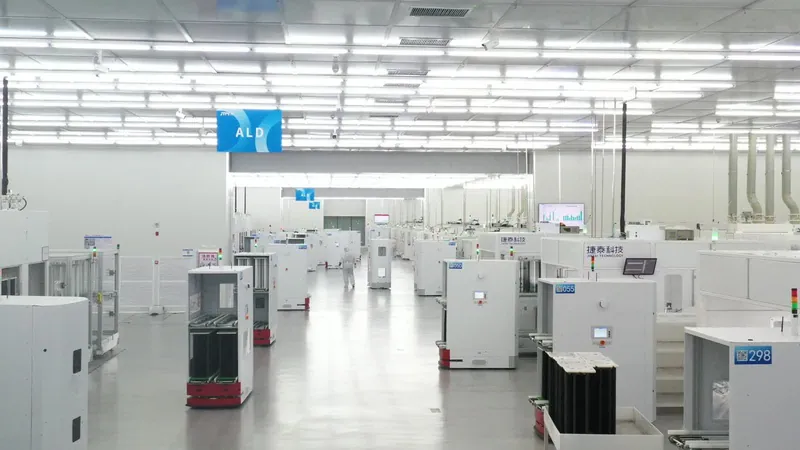
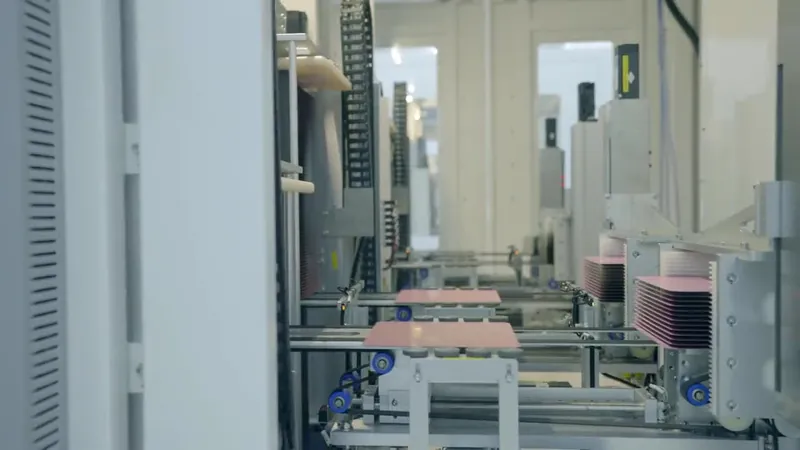
Illustrative library photography, not XY Medica premises or client endorsements. Verified factory imagery and certificates can replace these references.Define your sample checks and request technical evidence for the exact device and intended use.
Align order scope, packing configuration, shipment needs and support expectations from the start.
Choose the LED, energy-based, infusion or eye-care model that fits your customer, positioning and intended use.
Review power, charging, contact materials, mode configuration and market-documentation requirements.
Align housing finish, logo, accessories, retail packaging, labels and instructions.
Check appearance, hardware, user information and packaging against your agreed sample brief.
Confirm the final specification, order quantity, inspection criteria and commercial responsibilities.
Coordinate carton configuration, shipment requirements, warranty and support for your market.
Our mission is to connect device selection with a clearer brand and product experience. A flexible LED mask, a multi-mode handheld or a dedicated eye-care format should feel like part of your brand—not an unrelated item in a catalog.
That means putting the practical details first: the right form factor, understandable specifications, considered packaging and a shared route from sample evaluation to the next order.
Make a more informed device selection before you customize, sample or order.
From the right device
to the right order.
LED specifications, RF/EMS modes, eye-care formats, liquid compatibility, MOQ, samples and market documentation.
Discuss your specific requirementsThe core range covers LED masks, RF/EMS and multi-mode handhelds, infusion and spray devices, and dedicated eye-care systems. Start with a listed model, then confirm your branding, configuration and target-market requirements.
Discuss housing color, logo placement, retail packaging, accessory presentation, labels and instructions as one brand system. Changes to hardware, contact materials or functions require a separate technical and safety review.
A sample phase can be discussed for your selected model. Agree the sample cost, freight, configuration and inspection points, then record your approval criteria before moving to a production quotation.
MOQ depends on the device, customization, tooling and packaging scope. The quantities in the product sheets are units per shipping carton, not a confirmed MOQ. Request a quotation for your exact model and order plan.
The supplied mask sheets list seven-color modes and LED counts of 96 or 90, depending on the model. They do not establish exact wavelength specifications, irradiance or dose. Request model-specific optical data and supported claims before selecting a device.
The flagship device explicitly lists RF and EMS settings. Other handheld models list different combinations of LED, EMS, microcurrent, warmth, vibration, ultrasound or cooling. These technologies are not interchangeable; confirm the exact model and mode configuration.
The range includes two separately named wearable eye massage/mist models and a compact portable eye mist device. Compare the format, battery, contact materials, reservoir design and intended-use instructions. Liquid compatibility and any eye-contact claims need model-specific review.
The supplied sheets describe spray, negative-pressure dispensing and infusion formats, but do not establish needle specifications or compatibility with injectable products. Confirm the supported liquid, reservoir, nozzle and use conditions; do not infer injection compatibility from the category name.
Share your selected device or concept, target dimensions, brand direction and packaging brief. Eligible projects can receive an initial appearance or packaging concept review. Tooling-ready engineering, functional changes and testing are separate scopes.
Request current safety and compliance documents for the exact model, legal manufacturer, intended use and destination market. Relevant charging, battery, materials and performance information should match the approved sample. No certification or treatment efficacy is implied by the category names.
The schedule depends on the selected platform, artwork, housing finish, packaging, tooling, components, sample changes and testing requirements. Ask for a project-specific timeline alongside the quotation rather than assuming a universal delivery promise.
Confirm the retail-box and carton dimensions, packed gross weight, units per carton and total carton weight for the selected configuration. These vary across the range and can change with custom packaging. The Golden Infusion new release still needs dimensions, weight and packing details confirmed.
Define warranty terms, troubleshooting, replacement parts, returns and local servicing responsibilities in the supply agreement. Share your sales channels and support expectations before confirming the final order.
Share the model, target market, estimated quantities and brand direction. Start with a clearer device and customization brief.
From a ready model to a new appearance concept, connect your product requirements with your commercial plan.